Ditch the Spreadsheets  

A Better Way to Track, Report, and Collaborate with Aliquot 
 

Many water treatment teams spend too much time managing spreadsheets, paper forms, and disconnected tools. What starts as a simple list of readings can turn into a tangled web of versions, lost files, and outdated information. Aliquot offers an alternative. It brings scheduling, reporting, field data, and system history into one cloud-based platform that works on mobile and desktops. Instead of wrestling with spreadsheets, your team can work from a single source of truth that stays current and accessible.

How Moving Beyond Spreadsheets Changes Your Work
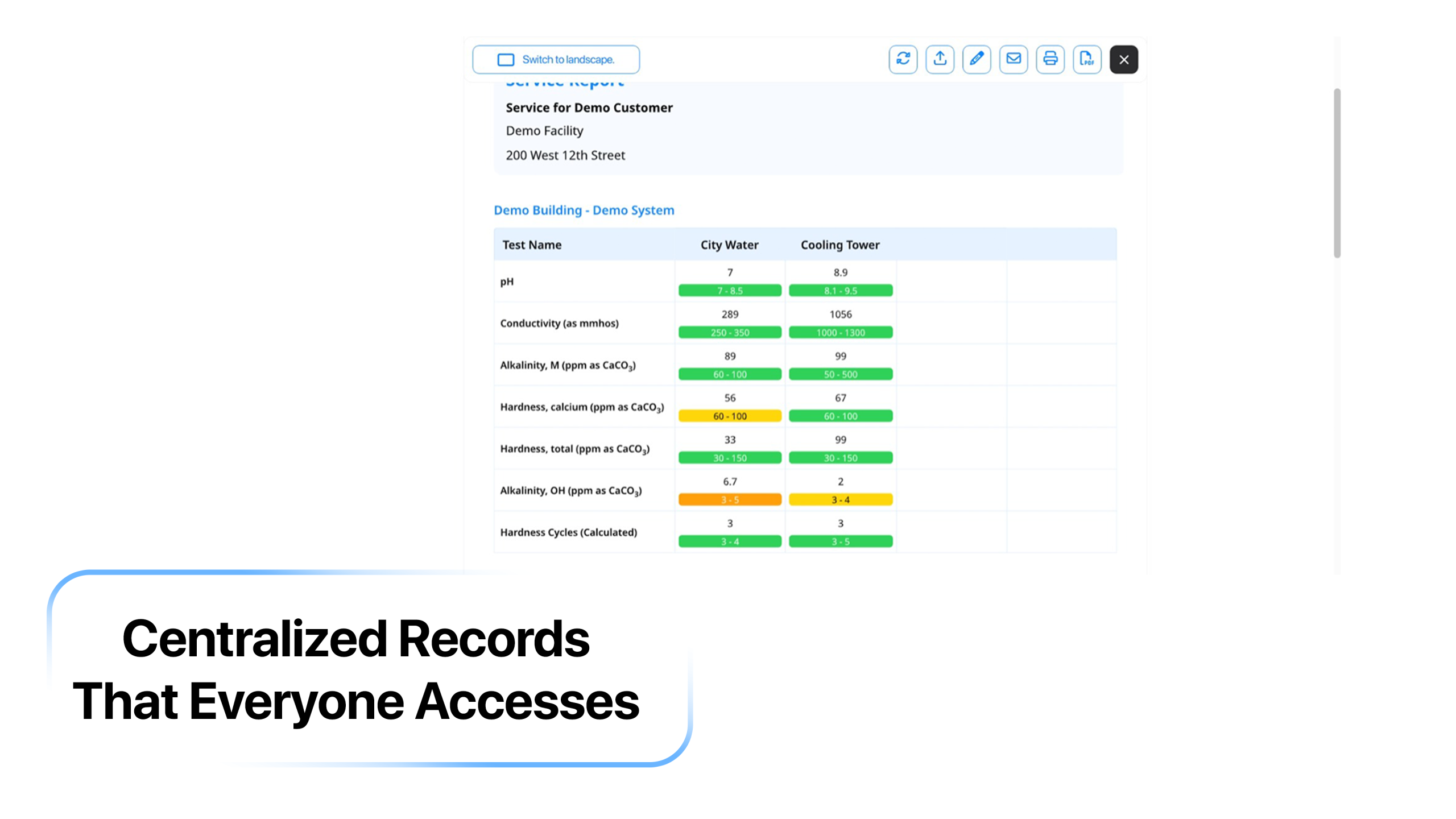
Centralized Records That Everyone Accesses: Instead of multiple spreadsheet files, Aliquot keeps all readings, reports, and notes in one shared system where your team can go to get the latest information. . 

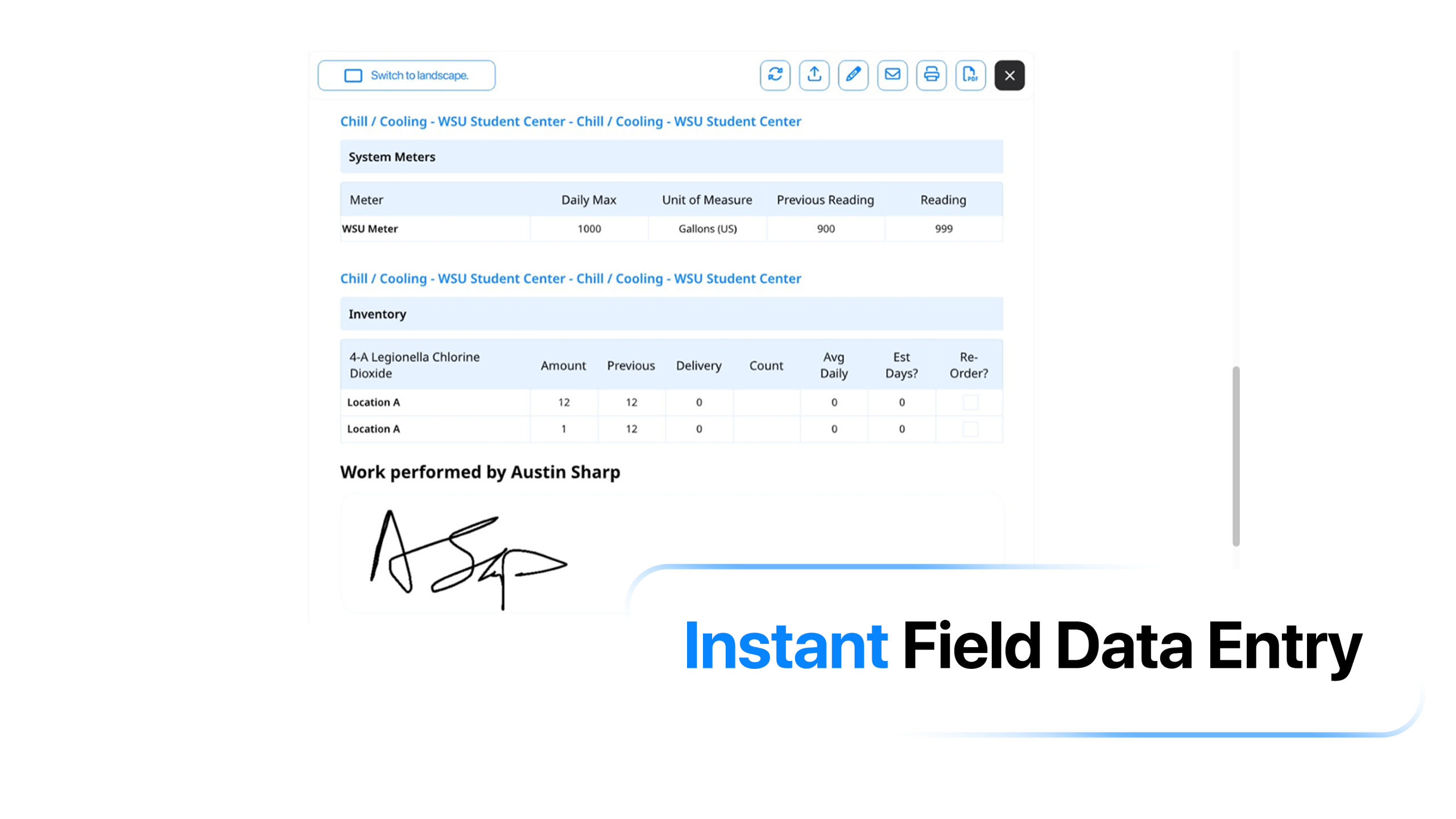
Instant Field Data Entry: Technicians can log readings, photos, and comments in real time using the mobile app, reducing errors and eliminating the need to transcribe paper notes into spreadsheets later. 

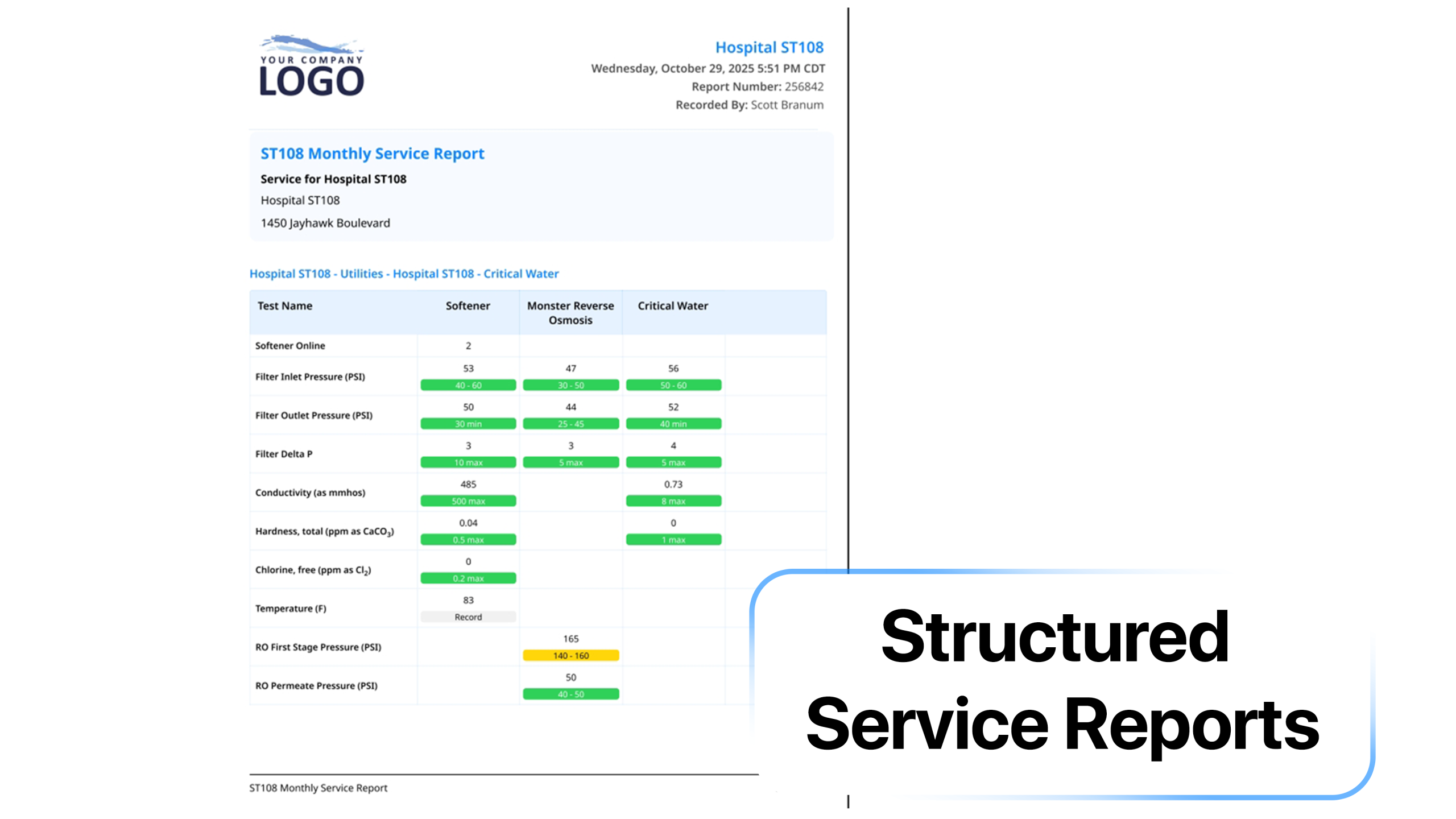
Structured Service Reports: Aliquot turns collected data into organized service reports that are easy to read, share, and archive. No more cutting and pasting from different files. 

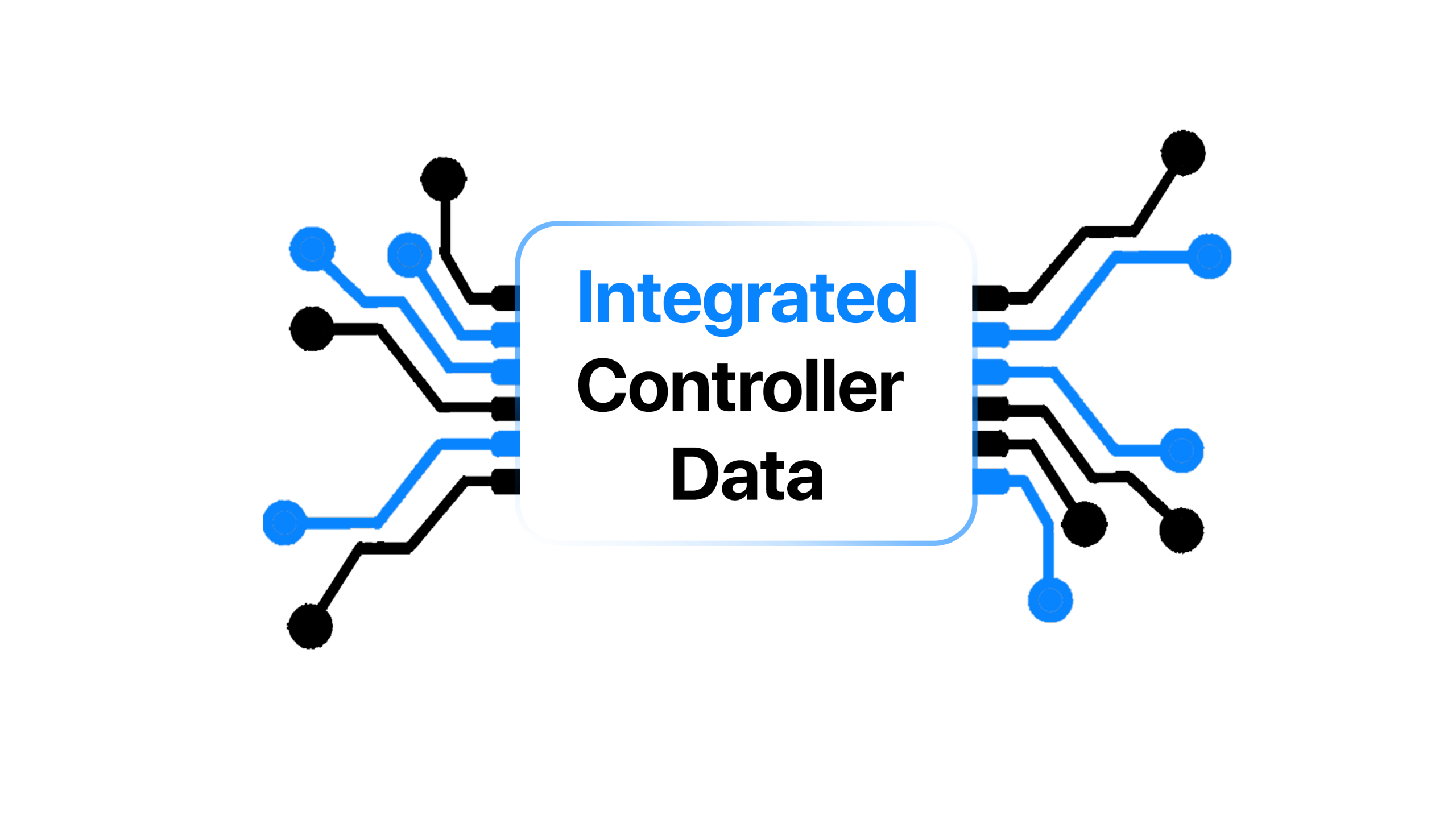
Integrated Controller Data: Live data from onsite controllers flows directly into the platform, so you don’t have to download, import, or manually update spreadsheets with telemetry. 

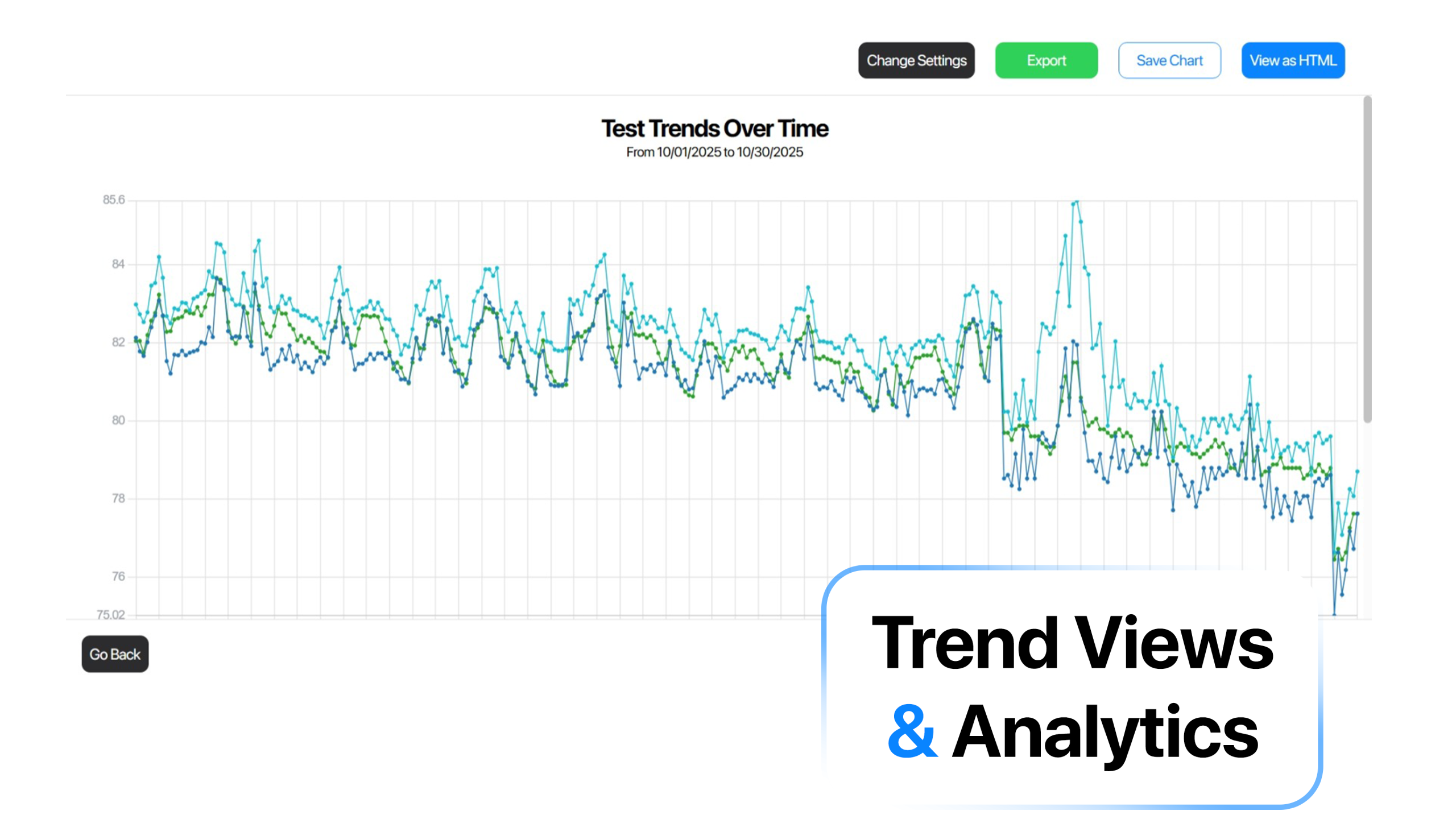
Trend Views and Analytics: Instead of building your own charts from rows of numbers, Aliquot presents historical trends and visual insights that help you quickly understand system performance. 

Why This Shift Matters

Spreadsheets were never designed to support ongoing field work, reporting, and collaboration across teams. As information spreads across files, emails, and devices, it becomes harder to trust the data and harder to share it clearly with others. Aliquot replaces that fragmented approach with a single platform where data is captured, stored, and viewed consistently. This shift reduces manual work, limits errors, and gives teams a clearer, more reliable way to manage system information and communicate results.