In today’s world of heightened environmental awareness and regulatory oversight, water quality isn’t just a public health issue — it’s a legal and community imperative. That’s where Illicit Discharge Detection and Elimination (IDDE) comes in.
At AquaPhoenix, we understand the ins and outs of IDDE: how it works, why it’s crucial and what municipalities and environmental professionals need to do to implement effective programs. Whether you’re new to IDDE or looking to strengthen an existing system, this guide will walk you through the essentials and demonstrate our deep commitment to protecting water resources through informed action.
What Is IDDE?
IDDE stands for Illicit Discharge Detection and Elimination. It’s a required component of the EPA’s National Pollutant Discharge Elimination System (NPDES) permitting program for Municipal Separate Storm Sewer Systems (MS4s).
IDDE focuses on identifying and eliminating non-stormwater discharges — think sewage leaks, chemical runoff, industrial wash water, pet waste or even spilled motor oil — that enter storm drains and flow directly into local water bodies without treatment.
Unlike sanitary sewers, which route waste to treatment plants, storm drains often discharge untreated runoff straight into rivers, lakes and coastal waters. Even a minor illicit discharge can introduce bacteria, toxins, nutrients or heavy metals that degrade water quality, harm aquatic life and pose public health risks.
Why Is IDDE Important?
Illicit discharges often occur in small volumes but can carry pollutant concentrations high enough to cause significant damage over time.
IDDE is important because it:
- Protects Public Health: Helps prevent exposure to pathogens and chemicals that can make water unsafe for recreation, wildlife or drinking water supply.
- Preserves Ecosystems: Minimizes stress on aquatic organisms by reducing harmful pollutants before they reach sensitive habitats.
- Supports Regulatory Compliance: Helps MS4 operators meet Clean Water Act obligations and avoid fines or enforcement actions.
- Builds Community Trust: Shows residents and stakeholders that you’re serious about protecting natural resources and operating responsibly.
Key Components of an Effective IDDE Program
A strong IDDE program involves proactively preventing pollutants from unknowingly contaminating water sources. Here’s what a basic plan includes:
1. Mapping and Inspection
Start by mapping all stormwater outfalls. These are the physical locations where storm sewers discharge to surface waters. A complete and up-to-date map forms the backbone of your IDDE program.
Next, conduct dry-weather inspections, at least 72 hours after rainfall, to detect flow when none should be present. If water is flowing during dry weather, something’s likely wrong.
2. Detection and Monitoring
Train your team to look for telltale signs:
- Visual: Staining, sediment, soap suds or oil sheen
- Odors: Sewage, fuel, chemical smells
- Basic Field Testing: pH, temperature, conductivity and ammonia levels can help identify pollutants
3. Tracing and Eliminating
Once an illicit discharge is detected:
- Use dye testing, smoke testing or manhole inspections to trace it back to the source.
- Common causes include cross-connected pipes, leaking sanitary lines or illegal dumping.
- Coordinate with public works or property owners to correct the issue, whether it’s repairing infrastructure or stopping improper practices.
4. Regulation and Enforcement
Many communities have IDDE ordinances that prohibit non-stormwater discharges and empower agencies to take enforcement actions. These range from written warnings and notices of violation to civil penalties and cost recovery for cleanup.
Enforcement ensures long-term compliance and sends a clear message that water protection is a community priority.
5. Record-Keeping and Reporting
Thorough documentation is essential:
-
- Keep field logs, inspection reports, sample results and photos
- Track follow-up actions, resolutions and compliance timelines
- Submit required reports annually to the relevant state or federal agencies under your MS4 permit.
How to Become IDDE Compliant: Practical Tips for Municipalities
Getting started with IDDE, or enhancing your existing program, doesn’t have to be overwhelming. Here are proven, practical steps:
Prioritize Inspections
Some municipalities may inspect all outfalls annually. Larger municipalities may use risk-based prioritization, focusing on areas with older infrastructure, industrial activity or past violations.
Use Efficient Field Forms
Whether it’s a simple yes and no checklist or a full GIS-integrated inspection app, choose a data collection method that works for your team and allows for consistent record-keeping.
Train Your Team
Staff must be trained to recognize pollution indicators, use testing equipment and follow standard operating procedures. This ensures consistent, reliable fieldwork across your organization.
Engage The Public
Educate residents and businesses to recognize and report suspicious discharges. Community eyes and ears can dramatically increase your ability to detect and eliminate illicit flows.
Examples of citizen-reported issues include:
- Oily residue from a storm drain
- Foul odors in a local stream
- Car washing runoff entering the storm system
Be Proactive, Not Reactive
Prevention is the most cost-effective strategy. Implement public education campaigns, stormwater best practices and cross-connection reviews before problems arise.
Implementing an Effective IDDE Program With AquaPhoenix
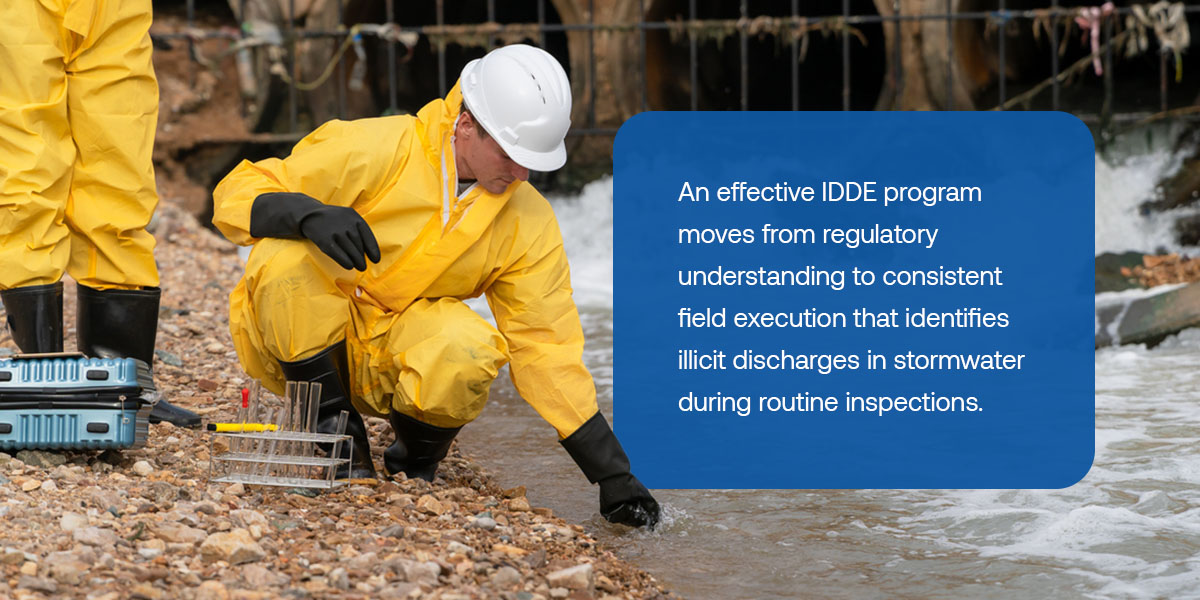
An effective IDDE program moves from regulatory understanding to consistent field execution that identifies illicit discharges in stormwater during routine inspections. This process focuses on tools, procedures and documentation that crews use every day. Reliable field methods support accurate decisions and defensible records. How well you execute it determines the program’s success.
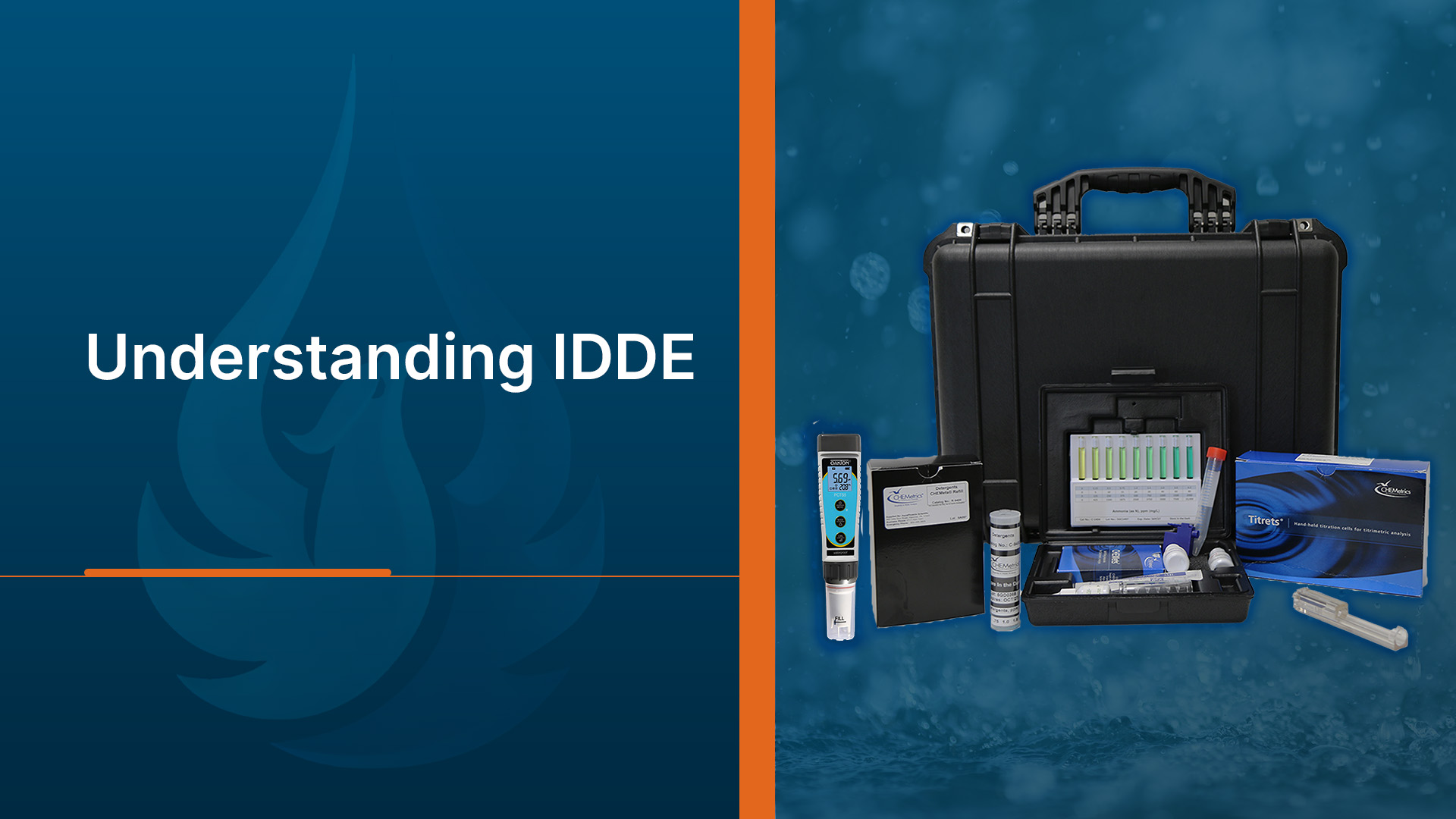
Field-Ready Stormwater MS4 Test Kits
Field-ready test kits allow crews to quickly screen outfalls and confirm IDDE stormwater indicators using standardized methods. The Stormwater MS4 Test Kit includes ammonia, surfactants, pH, conductivity and hardness analytes, with optional chlorine and copper tests when site conditions require them.
Reagents maintain accuracy when they’re stored sealed, away from direct sunlight and within the temperature ranges listed on each container. Crews verify expiration dates before deployment and confirm reagent condition through visual checks and a blank sample.
Routine replenishment keeps kits ready for inspection schedules. AquaPhoenix supports reordering based on inspection frequency, with typical quantities aligned to monthly use and short turnaround times for fresh reagents. Before each use, crews should complete simple verification steps to avoid invalid results. These may include confirming reagent clarity and running a blank test to verify that there’s no contamination.
Reducing Operator Error With EndPoint® ID
EndPoint® ID procedures reduce interpretation errors by replacing subjective visual judgment with defined color-change endpoints. Photo-based instructions and color-coded caps guide each step, which shortens training time and improves consistency across crews. In practice, teams use EndPoint® ID to distinguish a sanitary cross-connection from natural flow through a clear endpoint change rather than relying on staining or odor alone.
Programs using standardized endpoints report faster source confirmation and fewer repeat visits. Crews resolve illicit discharge investigations faster and reduce re-testing due to consistent endpoint interpretation. These gains improve coordination with public works and property owners and speed corrective action.
Custom Durability for Mobile Inspection Teams
Custom kitting projects protect equipment across varied inspection environments. Our PelicanTM cases support rural and wetland sites where submersion and rough handling are common. Backpacks allow rapid deployment during urban foot patrols in high-traffic areas. Each type keeps components secure and accessible during inspections and presents a professional appearance when crews interact with the public.
Transport options adapt to site demands. Installing mounting brackets can help stabilize cases during travel. Adjustable backpack straps support extended walks and weather-sealed closures protect the contents during temperature swings and precipitation. These features reduce equipment damage and inspection delays.
Streamlining Data and Regulatory Reporting
Consistent testing methods support accurate data collection and maintain stormwater compliance across the Municipal Separate Storm Sewer System program. Field results link directly to other program activities, which allows data to drive action. For example, elevated ammonia levels would flag outfalls for map updates, while surfactant results might prompt targeted public education focused on household discharges.
Chain-of-custody procedures protect data integrity from collection through reporting. The initial sampler records date, time and signature. Each transfer is logged, and final submissions include completed custody forms. Quality control steps include daily blank examples to confirm cleanliness and duplicate testing on 10% of samples to verify consistency. These practices support audits, trend analysis and defensible annual reporting.
Why IDDE Works: The Results Speak for Themselves
An effective IDDE program delivers measurable benefits:
- Improves Water Quality: Reduces bacteria, nutrients, heavy metals and hydrocarbons from entering waterways
- Supports Watershed Goals: Helps meet total maximum daily load targets and watershed restoration efforts
- Strengthens Community Ties: Demonstrates leadership in protecting local rivers, lakes and coastal ecosystems
According to the EPA, municipalities that invest in IDDE programs often see immediate and long-term improvements in stormwater quality and community trust.
Making IDDE Part of Everyday Stormwater Management
Testing stormwater for illicit discharge on the go can be challenging. Teams face unpredictable weather, difficult terrain and the need for quick results, all of which can lead to inaccurate readings or missed inspections. These struggles can result in delayed response times, inconsistent data and even compliance issues.
AquaPhoenix addresses these problems with custom test kits designed for portability and durability. Weather-sealed cases protect the equipment, allowing field teams to perform inspections efficiently, regardless of conditions. By offering reliable, easy-to-use tools, we ensure municipalities can integrate IDDE into their daily operations, improving results and supporting long-term water quality protection.
Contact us today to discover how our solutions can streamline your IDDE efforts and keep you compliant.

24 hours to fulfill a custom request from a new customer? We got it done…and done well!
When a major food and beverage company asked for 10 gallons of a custom solution—made and delivered within 24 hours — our team immediately went to work to fulfill this customer request.
Not only was this a last-minute request for a brand-new customer, but it was an international order as well. The first hurdle was finding shipping that could accommodate an international order. Our logistics manager quickly explored and secured next-day shipping. Meanwhile, our production manager developed a manufacturing plan to get this order prepared and ready to leave the facility. By 8 a.m. the next day, 10 gallons of the custom solution were poured, packaged, and ready to ship—less than 24 hours after the order was placed at 5:30 p.m. the night before.
Given the complexities of this industry, reaction times like these can be difficult to achieve and are not common. AquaPhoenix strives to make responses like this possible, taking pride in going the extra mile to support our customers. When every minute counts and quality is key, choosing AquaPhoenix means partnering with a team that delivers—every time.
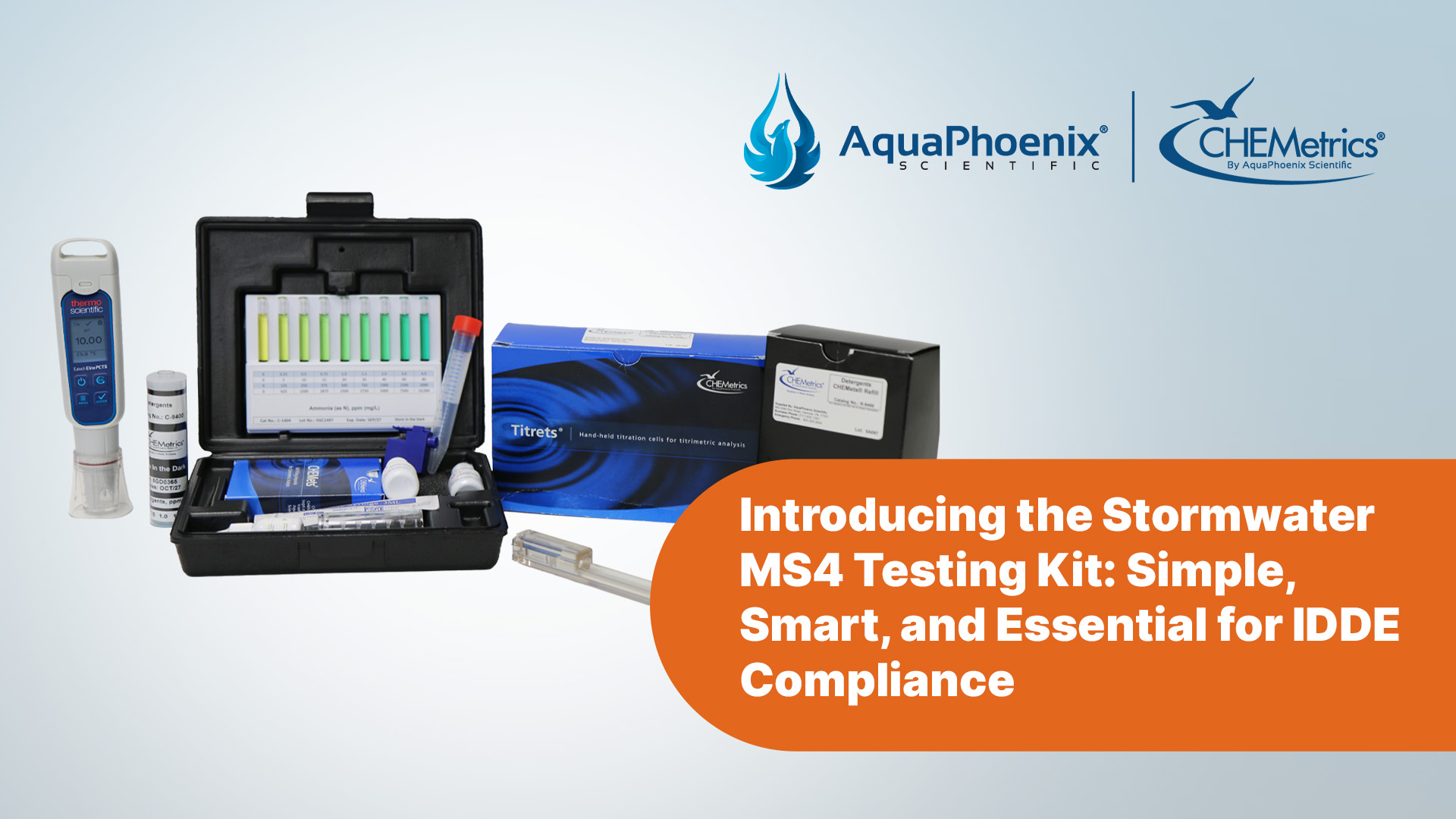
Protecting your community’s waterways from pollution starts with knowing what’s in your stormwater. Whether you’re a municipality, environmental consultant, or public works team, our new Stormwater MS4 Testing Kit is your all-in-one, easy-to-use solution for identifying illicit discharges and maintaining compliance with EPA MS4 (Municipal Separate Storm Sewer System) regulations.
Why Stormwater Testing Matters More Than Ever
Illicit Discharge Detection and Elimination (IDDE) is critical part of any stormwater management program. Illicit discharges, such as sewage leaks, wash water, or industrial waste, can end up in storm drains and flow directly into rivers, lakes, and other water bodies without treatment. These pollutants not only harm ecosystems but can also lead to regulatory violations and public health risks.
That’s where our Stormwater MS4 Testing Kit comes in. Designed to make field testing straightforward and approachable, this kit empowers users of any level to start collecting actionable data. There’s no need for a background in water chemistry, just follow the easy step-by-step instructions, and you’re ready to monitor your stormwater system with confidence.
Easy to Use – No Experience? No Problem.
One of the most common concerns when it comes to stormwater testing is not knowing where to begin. The good news? You don’t need a background in water chemistry or technical skills to use the Stormwater MS4 Testing Kit. We designed this kit so anyone – from public works crew to municipal staff and volunteers – can confidently test for illicit discharges with simple, clear instructions and portable tools.
Each kit comes with everything you need to perform field tests quickly and accurately. Every test includes easy-to-follow directions and reduces the handling hazardous materials. In just a few minutes, you can begin gathering real, actionable data about what’s flowing into your storm drains.
Whether you stick with the standard kit or expand your testing capabilities, setup is simple, and support is always available.
Core Analytes (Included in Our Standard Kit)
Cited in IDDE guidelines, detergent detection is one of the most reliable signs of graywater or laundry waste discharges entering the system.
A strong indicator of sewage or industrial liquid waste. It’s simple to test and widely understood. Interfering ammonia can, however, come from non-human sources, like wildlife or pet waste.
While not always a standalone indicator, hardness is valuable in regions with naturally high mineral content (like limestone areas). It can support other test findings and flag unusual water chemistry.
A quick, easy test that gives an initial snapshot of whether water is outside the normal range. Shifts in pH can suggest chemical dumping or industrial waste discharges.
Measures the water’s ability to carry an electrical current, often indicating dissolved solids or salt contamination.
Getting started is truly as easy as opening the case. If you can follow a basic recipe, you can use this kit and start protecting your stormwater system from day one. These kits are completely customizable and designed to help you. If you do not need one of the included analytes, you can simply remove it from your kit or add any optional analytes.
Optional Analytes – Customize Your Kit
If your area has unique challenges or specific concerns, you can easily add any of the following analytes to your testing kit:
Useful in detecting treated tap water, swimming pool discharge, or industrial wastewater containing chlorine-based chemicals.
Color
A helpful visual indicator of unusual substances or contamination in stormwater.
An important heavy metal to test for, often linked to industrial discharge or corrosion from plumbing.
Dissolved Oxygen
Low oxygen levels can indicate organic pollution or stagnation; useful in assessing overall water quality.
Common in fertilizers and sewage; their presence can signal agricultural runoff or wastewater contamination.
Strong indicators of industrial or chemical discharges, especially from manufacturing operations.
Potassium
Often overlooked, potassium is a powerful tool for detecting both sewage and industrial wastewater. It’s especially useful as an early screening method.
Often found in detergents and fertilizers; elevated levels can indicate pollution from household or agriculture sources.
Turbidity
Measures the clarity of water. High turbidity can signal sediment runoff, erosion, or other contaminants.
A Kit Built for Action — No Lab Needed
Getting started with stormwater testing has never been easier, or more important. The Stormwater MS4 Testing Kit puts reliable, field-ready tools in your hands, helping you detect problems early, stay compliant, and protect your local waterways. Whether you’re building a new IDDE program or enhancing an existing one, this kit gives you the confidence to take action, no lab, no guesswork, just results.
AquaPhoenix Scientific appreciates all our customers, and one of our top priorities is making sure they feel supported and confident that we will always work to meet their needs and exceed their expectations.
We are proud to share a story of a time we did just that. This customer ordered private labeled equipment controllers directly from our supplier. Our customer placed an order, and unfortunately, a panel showed up at their facility with the manufacturer’s label on it, instead of the private label. Tim Foreman, our Business Development Executive, tracked down a private label to place on the door of the controller. To make it right, Tim drove it down to the customer and installed the door with the correct label. This ensured our customer could deliver to their end-user on time. Although the error was out of our control, we immediately figured out a way to offer support when our customer needed it most.
AquaPhoenix welcomes you to experience firsthand the difference our team can make. Visit our website to explore all we have to offer for your company’s needs. We would love the chance to work with you and look forward to the possibility of being partners!